August 20, 2026
Homeowners search for methods to reduce household expenses. Rising utility costs create financial burdens for families and individuals. Month after month, electricity bills consume a significant portion of residential budgets. People seek solutions to lower these persistent costs without sacrificing indoor comfort. Traditional approaches involve adjusting thermostats or turning off lights, yet these small actions yield minimal results. The real culprit hides in plain sight.
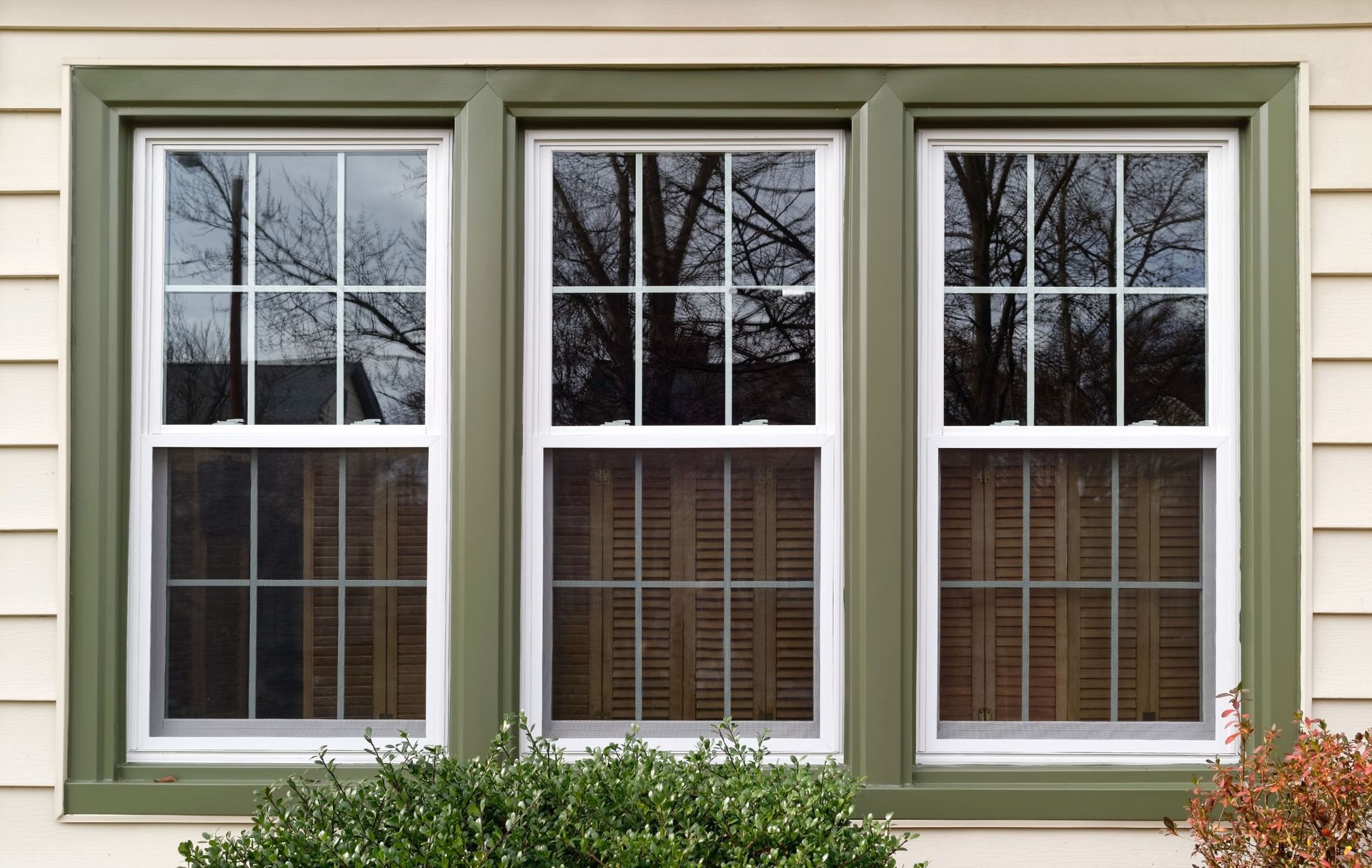
Outdated glass panes fail to insulate properties against outdoor temperature fluctuations. Drafty frames force cooling and heating systems to operate without pause, resulting in immense energy waste. Upgrading these fixtures transforms household climate control. By installing energy efficient windows, property owners create a protective barrier against harsh weather conditions. This architectural improvement stabilizes indoor temperatures and decreases reliance on mechanical climate systems, lowering overall utility expenses.
Understanding the Mechanics of Heat Transfer
The science behind indoor temperature regulation centers on thermal exchange. Standard glass provides little resistance to thermal movement. Heat enters buildings during summer months and escapes during winter months. According to Taylor & Francis, energy efficient windows can produce a median energy savings of up to 3,500 kWh per household each year. This reduction in consumption showcases the profound impact of modern glass technology.
Specialized coatings block specific wavelengths of light from penetrating the glass. These thin layers reflect heat to the source. During hot weather, solar radiation bounces off the exterior surface. During cold weather, indoor warmth reflects into the living space. This continuous reflection maintains stable conditions inside the property. Occupants experience fewer cold spots and drafty areas near the perimeter.
Gas fills between the panes provide another layer of defense against thermal exchange. Manufacturers pump heavy, dense gases into the sealed spaces. These invisible gases resist temperature transfer better than regular air. The increased density slows down thermal movement across the barrier. This structural design ensures maximum insulation for residential properties. Residents enjoy a quieter and more comfortable living environment year-round.
Spacer systems hold the glass sheets apart and accommodate natural expansion. Older spacers consist of metal, which conducts heat and cold with ease. Modern spacers utilize non-metallic materials to break the thermal bridge. This material choice prevents the edge of the glass from becoming a weak point in the insulation barrier. Eliminating moisture accumulation protects the surrounding woodwork from structural decay.
Evaluating the Components of Quality Frames
The structural surround plays a crucial role in preventing drafts and air leaks. Wood frames offer natural insulation but require extensive maintenance to prevent rot. Vinyl alternatives resist moisture damage and provide excellent thermal resistance. Homeowners who select energy efficient windows prefer vinyl or fiberglass materials due to their durability and low maintenance requirements. The frames maintain their structural integrity through decades.
Fiberglass frames expand and contract at the same rate as glass. This synchronized movement prevents seal failure and maintains the integrity of the barrier. The material boasts incredible strength, allowing for thinner frames and larger viewing areas. Residents enjoy expansive views without compromising on insulation quality. The slim profile enhances the visual appeal of the exterior architecture while holding heavy glazing.
Aluminum frames lack innate thermal resistance, making them poor choices for harsh climates. The metal transfers heat at a fast pace, leading to condensation and frost buildup on interior surfaces. To combat this issue, manufacturers insert thermal breaks within the aluminum structure. These insulating strips disrupt the heat flow and improve the overall performance of the frame. Structural enhancements overcome inherent material flaws.
Proper installation matters just as much as the frame material. Even premium materials fail to perform if installers leave gaps around the edges. Professional technicians use specialized sealants and flashing to create airtight perimeters. This meticulous attention to detail ensures the structural surround blocks drafts in full. Proper sealing techniques prevent water damage and stop mold spores from entering the wall cavities.
Examining the Benefits of Natural Illumination
Quality glass installations do more than regulate temperature; they also manage light transmission. Properties with adequate natural light require less reliance on artificial fixtures. Energy efficient windows permit visible light to enter while blocking harmful ultraviolet rays. Residents illuminate their living spaces without experiencing the excessive heat gain associated with standard glass. Natural illumination creates an inviting ambiance and transforms dark corners.
Ultraviolet radiation causes interior furnishings to fade over time. Carpets, artwork, and upholstery lose their vibrant colors when exposed to direct sunlight. Advanced coatings on modern glass act as sunscreen for the property. These protective layers filter out the damaging rays, preserving the longevity of interior decor. The interior design elements retain their original luster and visual appeal for longer durations.
Visual comfort improves when glare is minimized. Unfiltered sunlight creates harsh reflections on screens and reflective surfaces. Specialized tints and coatings diffuse the incoming light, creating a softer and more balanced illumination. Occupants enjoy bright rooms without suffering from visual strain. Glare reduction makes working from home and watching television much more enjoyable, all while reducing the need for electric lighting.
The psychological advantages of natural light are well-documented. Exposure to sunlight regulates circadian rhythms and elevates mood. Individuals living in well-lit environments report higher levels of satisfaction and productivity. Upgrading to modern glass allows people to maximize these health benefits while maintaining optimal indoor climates. Plentiful daylight exposure supports healthy sleep schedules and fosters a positive mindset without sacrificing energy conservation.
Analyzing the Value of Property Upgrades
Architectural enhancements increase the overall market appeal of residential structures. Prospective buyers prioritize homes with modern amenities and low operating costs. Energy efficient windows serve as a major selling point in real estate transactions. Buyers recognize the long-term financial advantages of inheriting a property with upgraded insulation. Move-in ready properties command higher sale prices and attract immediate interest from active house hunters.
Curb appeal improves with the installation of fresh, modern frames. Outdated fixtures feature peeling paint, fogged glass, and warped structures. Replacing these eyesores revitalizes the exterior appearance of the building. A pristine facade attracts positive attention and elevates the aesthetic value of the entire neighborhood. Crisp exterior lines and clear glass reflect a commitment to ongoing property upkeep and modernization.
The reduction in mechanical wear on heating and cooling systems presents another financial advantage. Climate control units operate less frequently when the building envelope retains temperature. This decreased workload extends the lifespan of the equipment and reduces the frequency of mechanical failures. The entire HVAC system benefits from the improved thermal barrier, preventing premature appliance replacements and lowering ongoing maintenance costs.
Local municipalities and government organizations offer incentives for sustainable home improvements. Property owners may qualify for tax credits or utility rebates after completing the installation. These financial programs offset the initial investment and accelerate the return on investment. Exploring available grant programs reveals additional avenues for subsidizing construction costs. The combined savings from lower bills and tax incentives validate the project.
Minimizing utility expenses requires a comprehensive approach to building insulation. Identifying the primary sources of thermal loss is a crucial step for any property owner. Energy efficient windows provide a definitive solution to persistent drafts and temperature fluctuations. This architectural upgrade transforms uncomfortable living spaces into controlled, relaxing environments. Enhancing the building envelope secures a comfortable future for the household. At Great Homes Gallery, we are ready to help you lower your utility bills and transform your living space with our premium energy efficient windows. Reach out to our team today to schedule your consultation and take the first step toward a more comfortable home.